
Тест ЕГЭ по английскому · SCHOOL AND CAREER

К каждому ответу — подробный разбор
Тестов в интернете много, а пояснений к ним почти нет. Здесь после каждого ответа сразу появляется объяснение: почему верно именно это, на что смотреть в предложении и в чём ловушка. Даже если ошиблись — станет понятно, как решать такие задания на экзамене.Как работать 🧭

Активная лексика · часть 1
Полезные фразы, которые стоит запомнить. Нажмите 🔊, чтобы услышать фразу, затем пример.

ДОПОЛНИТЕ ПРЕДЛОЖЕНИЯ · ЧАСТЬ 1
ask a careers adviser for advice — попросить совета у профконсультанта
meet the entry requirements — соответствовать требованиям при поступлении
pass an entrance exam — сдать вступительный экзамен
go to an open day — пойти на день открытых дверей
do an internship — пройти стажировку
take extra classes — ходить на дополнительные занятия
apply for a course — подать заявление на курс

ДОПОЛНИТЕ ПРЕДЛОЖЕНИЯ · ЧАСТЬ 2
gain work experience — получить опыт работы
take a gap year — взять свободный год перед дальнейшей учёбой
identify your strengths — определить свои сильные стороны
improve your career prospects — улучшить карьерные перспективы
choose a career — выбрать профессию
get high marks — получать высокие оценки
find a job that suits you — найти подходящую работу

ДОПОЛНИТЕ ПРЕДЛОЖЕНИЯ · ЧАСТЬ 3
apply to university — подать документы в университет
get a degree in computer science — получить диплом по компьютерным наукам
prepare for exams — готовиться к экзаменам
make up your mind — принять решение
work in a team — работать в команде
develop useful skills — развивать полезные навыки
be in demand — быть востребованным

ДОПОЛНИТЕ ПРЕДЛОЖЕНИЯ · ЧАСТЬ 4
take part in extracurricular activities — участвовать во внеклассных занятиях
cope with exam pressure — справляться со стрессом на экзаменах
demonstrate your knowledge — показать свои знания
work on a project — работать над проектом
get a promotion — получить повышение
have a rewarding job — иметь работу, которая приносит удовлетворение
deal with difficult clients — работать со сложными клиентами
be in charge of a team — руководить командой
do well in an exam — хорошо справиться с экзаменом

Активная лексика · часть 2
Фразы для сравнения, описания работы и аргументов.

ВЫБЕРИТЕ ПРЕДЛОГ
for — Apply for a course / a job.
to — Apply to a university, an organisation or a person.
in — Take part in an activity.
with — Cope with pressure.
in — A degree in a subject.
of — Be in charge of someone or something.

ВЫБЕРИТЕ ЧАСТИЦУ
up — Make up your mind — принять решение.
up — Set up a club — создать кружок.
out — Find out — узнать, выяснить.
off — Put off doing something — откладывать.
up — Take up a hobby — начать заниматься новым хобби.
down — Turn down an offer — отказаться от предложения.

ВЫБЕРИТЕ БЛИЖАЙШЕЕ ПО СМЫСЛУ ВЫРАЖЕНИЕ
gives you a sense of satisfaction — Rewarding описывает удовлетворение от работы.
move to a more senior position — Promotion — переход на более высокую должность.
be responsible for a team — In charge of — руководить, отвечать за.
be sought after — Об этих специалистах говорят, что работодатели активно их ищут.
show what you know — Demonstrate = show.
perform well in it — Do well = perform well.

Упражнение 2. Проверьте себя: вставьте выражение ✏️
Аудирование
Аудирование ЕГЭ: шесть высказываний о выборе профессии (задание 1), диалог после дня открытых дверей (задание 2) и интервью с молодым инженером (задания 3–9). Каждая запись звучит дважды. В записях — активная лексика темы.

Упражнение 1. Шесть высказываний 🗣️
- My parents' opinion was the main reason for my choice.
- A short period of work showed me what I really wanted to do.
- I chose a profession that is not well-paid, and I don't regret it.
- I changed my mind about my career more than once.
- My hobby helped me to find my future profession.
- A specialist helped me to understand my strengths.
- I decided to start working before going to university.
Текст записи с переводом трудных слов

Упражнение 2. Верно, неверно или не сказано? ✅
Текст записи с переводом трудных слов

Упражнение 3. Интервью 🎙️
Текст записи с переводом трудных слов
Чтение
Три упражнения в формате ЕГЭ: заголовки к семи текстам о выборе профессии (задание 10), текст о годе паузы перед университетом с пропусками (задание 11) и рассказ «The Letter I Never Sent» (задания 12–18). Ответы не лежат на поверхности — в каждом задании есть ловушки, а после проверки их подробно разбираем.

Упражнение 1. Заголовки к текстам 🏷️
- Learning by doing
- Not just for the top students
- A family business
- The downside of having more options
- When others shape your ambitions
- Changing direction
- A job for life?
- Money isn't everything
Fifty years ago, many people joined a company after school and stayed there until they retired. Today, experts say, a typical worker will change jobs ten or more times during their career. Some see this as a sign of instability; others believe it gives people the freedom to develop new skills and try different paths. Either way, the idea of one employer for forty years now sounds almost old-fashioned.
In many countries, vocational colleges combine lessons with weeks of real work. Students training to be electricians, chefs or nurses spend part of each term in workshops, kitchens and hospitals, where they make mistakes and learn from them. These are often physically demanding but highly skilled jobs, and skilled workers like these are always in demand. Teachers say this approach helps students gain work experience long before they graduate, and employers are often happy to hire students they have already seen in action.
Many parents dream that their children will become doctors, lawyers or engineers, and some teenagers feel they have no right to disappoint them. Psychologists warn that trying to live up to someone else's expectations can lead to stress and even burnout. A family conversation in which the teenager's own interests are taken seriously, they say, is far more useful than any list of “respectable” professions.
It is a common belief that only students with excellent marks can count on a good career. Yet some successful entrepreneurs and engineers admit they struggled at school. What helped them was curiosity, persistence and a willingness to learn from failure. Teachers are increasingly trying to notice such qualities, often shown in extracurricular activities rather than in exam results, when they advise students about their future.
A hundred years ago, the son of a farmer usually became a farmer. Today a school leaver can choose from thousands of professions, many of which did not exist a decade ago. While this freedom is exciting, career advisers notice that many teenagers feel lost. When every option looks possible, it can be harder, not easier, for teenagers to make up their minds.
After three years of studying law, Mark realised he was spending all his free time designing websites for friends. He left university, took an online course in web design, and two years later he was running his own small studio. “My parents were shocked at first,” he says, “but it was the best decision of my life.” Stories like his show that it is never too late to start again.
When Sophie got a job offer from a large bank, everyone congratulated her. The salary was twice what a local museum could offer. Yet she chose the museum. “I'd be bored to death counting other people's money,” she explains. Surveys show she is not alone: many young people now value job satisfaction and free time more than a well-paid job.
Тексты с переводом трудных слов и озвучкой 🔊
A. Fifty years ago, many people joined a company after school and stayed there until they retired (выходили на пенсию). Today, experts say, a typical worker will change jobs ten or more times during their career. Some see this as a sign of instability (нестабильность); others believe it gives people the freedom to develop new skills (развивать новые навыки) and try different paths. Either way, the idea of one employer (работодатель) for forty years now sounds almost old-fashioned.
B. In many countries, vocational colleges (колледжи, где учат профессии) combine lessons with weeks of real work. Students training to be electricians, chefs or nurses spend part of each term in workshops, kitchens and hospitals, where they make mistakes and learn from them. These are often physically demanding (физически тяжёлые) but highly skilled jobs (работа высокой квалификации), and skilled workers (квалифицированные работники) like these are always in demand (востребованные). Teachers say this approach helps students gain work experience (получить опыт работы) long before they graduate, and employers are often happy to hire students they have already seen in action.
C. Many parents dream that their children will become doctors, lawyers or engineers, and some teenagers feel they have no right to disappoint (разочаровать) them. Psychologists warn that trying to live up to someone else's expectations (оправдать чужие ожидания) can lead to stress and even burnout (эмоциональное выгорание). A family conversation in which the teenager's own interests are taken seriously (принимаются всерьёз), they say, is far more useful than any list of “respectable (уважаемые)” professions.
D. It is a common belief that only students with excellent marks can count on a good career. Yet some successful entrepreneurs (предприниматели) and engineers admit they struggled at school. What helped them was curiosity (любопытство), persistence (упорство) and a willingness to learn from failure. Teachers are increasingly trying to notice such qualities, often shown in extracurricular activities (внеклассные занятия) rather than in exam results, when they advise students about their future.
E. A hundred years ago, the son of a farmer usually became a farmer. Today a school leaver (выпускник школы) can choose from thousands of professions, many of which did not exist a decade ago. While this freedom is exciting, career advisers notice that many teenagers feel lost. When every option looks possible, it can be harder, not easier, for teenagers to make up their minds.
F. After three years of studying law, Mark realised he was spending all his free time designing websites for friends. He left university, took an online course in web design, and two years later he was running his own small studio. “My parents were shocked at first,” he says, “but it was the best decision of my life.” Stories like his show that it is never too late to start again.
G. When Sophie got a job offer from a large bank, everyone congratulated her. The salary was twice what a local museum could offer. Yet she chose the museum. “I'd be bored to death counting other people's money,” she explains. Surveys (опросы) show she is not alone: many young people now value job satisfaction (удовольствие от работы) and free time more than a well-paid job (хорошо оплачиваемая работа).

Упражнение 2. Текст с пропусками 🧩

Текст целиком: прочитайте и послушайте 📖
Показать текст с ответами

Упражнение 3. Понимание текста 🔎
For as long as I can remember, it was taken for granted that I would become a doctor. My grandfather had been a surgeon, my mother was a paediatrician, and the walls of our flat were lined with medical encyclopaedias rather than novels. Nobody ever told me, their only daughter, that I had to follow in their footsteps; it was simply assumed, the way one assumes the sun will rise.
The trouble was that I fainted at the sight of blood. I discovered this at the age of eleven, when my younger brother cut his knee on a rusty fence, and I found myself lying on the grass next to him while a neighbour called for help. My mother laughed it off. “Plenty of good doctors felt the same at your age,” she said. “You'll get used to it.”
I never did. What I did get used to was hiding things. In Year 9, I joined the school's drama club, the only one of my extracurricular activities that I kept secret, telling my parents it was “extra English practice”. Twice a week I stayed late, learning lines and building sets out of cardboard, and twice a week I came home with an excuse ready. Not once did my parents suspect anything; they were far too busy, and my marks in chemistry were respectable enough for me to pass every exam.
By Year 11, I was under constant pressure and could hardly bear it. My mother had already made me take extra classes in biology with a tutor and booked a place on a summer course for future medical students. Meanwhile, our drama teacher, Ms Harlow, had been quietly asking whether I had ever thought about studying theatre directing. “You notice things other people miss,” she told me. “That's rarer than you think.”
One evening I sat down and wrote my parents a long letter. I told them about the blood, the drama club, my passion for the theatre and the excitement I felt every time the curtain went up. I wrote that I didn't want to live up to anyone's expectations at the cost of my own happiness. It was the most honest thing I had ever written. Then I folded it, put it in a drawer, and went to my biology lesson as if nothing had happened.
In the end, it was not the letter that changed things, but a school performance. Ms Harlow had insisted that I direct the end-of-year play, and, to my horror, my parents decided to come. I spent the whole evening backstage, too nervous to watch. When the lights came up at the end and I stepped out to take a bow, I saw my mother in the third row. She was not applauding. She was looking at me with an expression I had never seen before — a mixture of surprise and something that, in retrospect, I believe was pride.
We talked until two in the morning. It was not an easy conversation. My father worried, quite reasonably, about how I would earn a living, and my mother admitted that she had always known I hated hospitals but had hoped it would pass. I didn't win every argument. We agreed that I would apply to university for a degree in theatre studies, but also take a part-time job, so that I would not depend on them entirely.
That was six years ago. I now work as an assistant director at a small theatre. It is a creative job rather than a routine one. I work long hours, my salary is modest, and there is little job security. I still have the letter. I never needed to send it in the end, but writing it was the first time I admitted to myself what I really wanted.
Тексты с переводом трудных слов и озвучкой 🔊
For as long as I can remember, it was taken for granted (считалось само собой разумеющимся) that I would become a doctor. My grandfather had been a surgeon, my mother was a paediatrician (детский врач), and the walls of our flat were lined with medical encyclopaedias (энциклопедии) rather than novels. Nobody ever told me, their only daughter, that I had to follow in their footsteps (идти по их стопам); it was simply assumed (предполагалось), the way one assumes the sun will rise.
The trouble was that I fainted at the sight of blood (падала в обморок при виде крови). I discovered this at the age of eleven, when my younger brother cut his knee on a rusty (ржавый) fence, and I found myself lying on the grass next to him while a neighbour called for help. My mother laughed it off (отшутилась). “Plenty of good doctors felt the same at your age,” she said. “You'll get used to it.”
I never did. What I did get used to was hiding things. In Year 9, I joined the school's drama club, the only one of my extracurricular activities (внеклассные занятия) that I kept secret, telling my parents it was “extra English practice”. Twice a week I stayed late, learning lines and building sets (декорации) out of cardboard, and twice a week I came home with an excuse ready. Not once did my parents suspect (подозревать) anything; they were far too busy, and my marks in chemistry were respectable (приличные) enough for me to pass every exam.
By Year 11, I was under constant pressure (под постоянным давлением) and could hardly bear it. My mother had already made me take extra classes (заниматься дополнительно) in biology with a tutor and booked a place on a summer course for future medical students. Meanwhile, our drama teacher, Ms Harlow, had been quietly asking whether I had ever thought about studying theatre directing (театральная режиссура). “You notice things other people miss,” she told me. “That's rarer than you think.”
One evening I sat down and wrote my parents a long letter. I told them about the blood, the drama club, my passion for (увлечённость) the theatre and the excitement I felt every time the curtain (занавес) went up. I wrote that I didn't want to live up to anyone's expectations (оправдывать чьи-то ожидания) at the cost of (ценой) my own happiness. It was the most honest thing I had ever written. Then I folded it, put it in a drawer, and went to my biology lesson as if nothing had happened.
In the end, it was not the letter that changed things, but a school performance. Ms Harlow had insisted that I direct the end-of-year play, and, to my horror (к моему ужасу), my parents decided to come. I spent the whole evening backstage (за кулисами), too nervous to watch. When the lights came up at the end and I stepped out to take a bow, I saw my mother in the third row. She was not applauding (не аплодировала). She was looking at me with an expression I had never seen before — a mixture of surprise and something that, in retrospect (оглядываясь назад), I believe was pride.
We talked until two in the morning. It was not an easy conversation. My father worried, quite reasonably, about how I would earn a living (зарабатывать на жизнь), and my mother admitted that she had always known I hated hospitals but had hoped it would pass. I didn't win every argument. We agreed that I would apply to university (подать документы в университет) for a degree in (диплом по специальности) theatre studies, but also take a part-time job (работа на неполный день), so that I would not depend on them entirely.
That was six years ago. I now work as an assistant director at a small theatre. It is a creative job (творческая работа) rather than a routine one. I work long hours (работаю много часов), my salary is modest (скромный), and there is little job security (стабильность, гарантия работы). I still have the letter. I never needed to send it in the end, but writing it was the first time I admitted to myself what I really wanted.

Упражнение 4. Хитрое чтение: специалист по профориентации 🧭
Прочитайте текст и выберите правильный ответ. Ответ почти никогда не повторяет слова текста: ищите ту же мысль другими словами, а варианты «со знакомыми словами» проверяйте особенно внимательно.
Do you really need a career adviser?
In many schools, a career adviser is the last person students think of when they have a question about their future. Teenagers usually turn to their parents, friends or the internet first, and some only meet an adviser when they have to fill in (заполнить) applications to get into university (поступить в университет).
Yet advisers say that by this time it is often too late. A good conversation, they explain, begins long before the final year, when students prepare for exams (готовятся к экзаменам). Choosing a career is a tough decision, so advisers start with simple questions: what do you enjoy doing, what are you good at, and what kind of day would make you happy — working with people or with machines, working indoors or outdoors (работать в помещении или на улице), in a team or independently (в команде или самостоятельно)?
Many students expect the adviser to tell them which job to choose. In fact, advisers rarely do this. “My job is not to give answers,” says one of them, “but to help teenagers ask themselves the right questions.” Tests can be useful, but they are only a starting point, not a final decision.
Advisers also try to broaden students' horizons (расширить кругозор учеников). A teenager who loves biology may only think of becoming a doctor, while there are dozens of other careers, from ecology (экология) to food science, and some of them start with a vocational course (профессиональные курсы) rather than university. Open days, career fairs and short internships, they say, often show students far more about their career prospects (перспективы карьеры) than any website.
Finally, advisers remind students that a first choice is not a life sentence (приговор на всю жизнь). Many adults change their minds about their careers more than once, job security (стабильность работы) is rare nowadays, and the skills students develop at school, such as teamwork (умение работать в команде) and problem-solving, stay useful whatever path they take.
Памятка по чтению 💡
1. Ищите главную мысль всего текста, а не отдельные слова. Спросите себя: «О чём этот текст в одной фразе?»
2. Заголовки нарочно похожи друг на друга. Если слово из заголовка есть в тексте — это ещё не ответ, часто это ловушка.
3. Главная мысль часто в первом или последнем предложении, но бывает и в середине — особенно после but, however, instead.
4. Сначала расставьте заголовки, в которых уверены, остальные решайте методом исключения. Лишний заголовок обычно «цепляется» за одно-два слова в каком-то тексте.
Задание 11 (пропуски).
1. Смотрите на слово перед пропуском и после него: есть ли уже подлежащее и сказуемое? Нужна целая часть, вставка или придаточное?
2. Если кусочек подходит грамматически в несколько мест — решайте по смыслу абзаца и по соседним предложениям: они часто повторяют или противопоставляют слова фрагмента.
3. Подсказки-схемы: Some …, while others …; worry that …; those who …; …, which allows …; …, and ….
4. Лишний кусочек обычно на ту же тему и подходит по грамматике в несколько пропусков.
Задания 12–18 (понимание текста).
1. Вопросы идут по порядку текста. Найдите нужное место и читайте его внимательно, целиком.
2. Верный ответ почти всегда перефразирован (you notice things other people miss → see what others overlook), а неверные повторяют слова из текста.
3. Остерегайтесь вариантов, которые правдоподобны, но не сказаны в тексте, и вариантов «наоборот».
4. Вопросы «что значит фраза…» и «что показывает…» — ищите ответ в соседних предложениях, а не в своём опыте.
Грамматика и словообразование
Задания 19–29 из открытого банка ФИПИ на тему «Образование и профессии»: две школьные истории на грамматику и два текста на словообразование — об университете в Новой Зеландии и о публичных библиотеках. Слово для образования — справа в скобках, ответ вписывайте так, как в бланке ЕГЭ.

В новых заданиях пишите глаголы в полной форме, например has not started.
ДОПОЛНИТЕ ПРЕДЛОЖЕНИЯ · ВРЕМЕНА
had set up — Past Perfect: стенды подготовили до открытия ярмарки.
were discussing — Past Continuous: обсуждение уже шло.
has not announced — Present Perfect: результата пока нет, связь с настоящим.
gave — Past Simple: last Friday обозначает завершившееся время.
took place — Past Simple: завершённое событие с указанной датой.
have never worked — Present Perfect: первый опыт на данный момент.
ДОПОЛНИТЕ ПРЕДЛОЖЕНИЯ · ПАССИВ И КОСВЕННАЯ РЕЧЬ
were checked — Пассив в Past Simple с подлежащим во множественном числе.
are being painted — Пассив в Present Continuous: работа сейчас продолжается.
had sent — Косвенная речь: отправка произошла раньше разговора.
following — The following week: на следующей неделе в пересказе.
be charged — Пассив с модальным глаголом: must be + причастие.
had applied — Past Perfect: интервью о событии, которое было раньше вопроса.
ДОПОЛНИТЕ ПРЕДЛОЖЕНИЯ · УСЛОВИЯ И WISH
would apply — Second Conditional: гипотетическая ситуация сейчас.
would not have forgotten — Third Conditional: другое гипотетическое прошлое.
stops — Условие с реальной возможностью: после if используется Present Simple.
knew — Wish + Past Simple: сейчас хотелось бы знать.
had gone — Wish + Past Perfect: сожаление о прошлом.
gain — После would rather употребляется инфинитив без to.
ДОПОЛНИТЕ ПРЕДЛОЖЕНИЯ · ФОРМЫ СЛОВ
to ask — Encourage someone to do something.
taking — После consider употребляется форма на -ing.
children — Children — форма множественного числа слова child.
most challenging — Суперлатив с the; артикль уже дан в условии.
theirs — Самостоятельное притяжательное местоимение без существительного.
more useful — Сравнительная степень после considerably перед than.
Упражнение 1 ✏️
Поставьте слово справа в нужную грамматическую форму. Впишите ответ и нажмите «Проверить».
Как на экзамене: ответ пишите без пробелов и только полными формами глаголов: WOULDNOTBE или wouldnotbe, а не
Упражнение 2 🔤
ОБРАЗУЙТЕ ОДНОКОРЕННОЕ СЛОВО И ЗАПИШИТЕ ЕГО В КАЖДОЕ ПОЛЕ.

Упражнение 3 🔤
ОБРАЗУЙТЕ ОДНОКОРЕННОЕ СЛОВО И ЗАПИШИТЕ ЕГО В КАЖДОЕ ПОЛЕ.
Памятка по грамматике и словообразованию 💡
• Ищите сигналы: дата или ago → прошедшее время · if → условие · «его сделали» → пассив (be + 3-я форма).
• since, ever, never, in my life → Present Perfect (have/has + 3-я форма); с NOT — полная форма: HAVENOTSEEN.
• Одно действие в прошлом случилось раньше другого → Past Perfect (had + 3-я форма): When we got there, the match had started.
• Косвенная речь после said / told в прошлом: will → would, am/is → was, have done → had done.
• Возвратные местоимения: myself, himself, herself, ourselves, themselves. Порядковые: one → first, two → second, three → third, five → fifth, nine → ninth, twelve → twelfth.
Словообразование
• the / a / of → существительное (-tion, -ment, -ness, -er)
• very / is / be → прилагательное (-ful, -able, -ous, -y)
• перед глаголом, причастием или в начале с запятой → наречие (-ly)
• can / will / to → глагол (иногда с приставкой dis-, un-, re-)
• Проверьте смысл: не нужна ли отрицательная приставка? Не нужно ли множественное число?
Лексика
Задания 30–36 из открытого банка ФИПИ: три текста об учёбе — первая лекция в университете, первый семестр и выпускной в школе танца. В каждом пропуске — один из четырёх вариантов. Смотрите на слово после пропуска: часто именно оно подсказывает ответ.

Упражнение 1 🎯
Выберите одно слово из четырёх · после ответа появится разбор

Упражнение 2 🎯
Выберите одно слово из четырёх · после ответа появится разбор

Упражнение 3 🎯
Выберите одно слово из четырёх · после ответа появится разбор
Памятка по лексике 💡
• После пропуска to + глагол: fail to do, manage to do (но succeed in doing).
• Устойчивые сочетания: get sth out of the way, enter a university, nod in agreement, feel confident that…, fears were confirmed.
• Связки: Moreover — более того (добавляем), Nevertheless — тем не менее (противопоставляем), although — хотя (союз внутри предложения).
• whenever — когда угодно, wherever — где угодно, whatever — что угодно.
Электронное письмо
Письмо другу по переписке Бену о выпускных экзаменах и выборе профессии. Обдумайте задание, сравните свой план с образцом, а потом потренируйтесь: соберите письмо по порядку, вставьте нужные фразы, найдите ошибки и выберите правильные вопросы.

Упражнение 1. Активная лексика письма ✉️
Write back soon.

Упражнение 2. Проверьте себя: слова письма 🔎

Упражнение 3. Обдумайте задание и сравните с образцом 💭
From: Ben@mail.uk
To: Russian_friend@ege.ru
Subject: Career
…This year I have to choose my subjects for the final exams, and it's a really tough decision! My parents want me to follow in my dad's footsteps and become an engineer, but I'm not sure I'm good at maths. What subjects are you going to take in your final exams? Who helps you to choose your future career? What would you like to do after leaving school, and why?
By the way, last week I did a short internship at a local newspaper…
Write an email to Ben. In your message:
– answer his questions;
– ask 3 questions about his internship.
Write 100–140 words. Remember the rules of email writing.
- Как вы начнёте письмо? Какое обращение и какую фразу благодарности напишете?
- Какой фразой-подводкой перейдёте к ответам на вопросы Бена?
- Какими связками начнёте ответ на каждый из трёх вопросов?
- На какой вопрос нужно обязательно дать причину?
- Какой фразой подведёте к своим вопросам?
- Какие три вопроса о стажировке зададите? В каком времени они будут и почему?
- Как закончите письмо и подпишетесь?
- Сколько слов должно быть в письме?
Посмотреть образец и сравнить
Thanks a lot for your email. It's great to hear from you again.
In your email you asked me some questions and I'd like to answer them. As for my final exams (выпускные экзамены), I'm going to take English, maths and physics. They'll help me read technical guides (технические руководства) and model movement (моделировать движение) in games. When it comes to my future career, my parents and our careers adviser (профконсультант) help me choose. After leaving school, I'd like to apply to university (подать документы в университет) and get a degree in computer science (получить диплом по компьютерным наукам) because I want to develop games and gain skills that are in demand (востребованные навыки).
In your message you wrote about your internship (стажировка). How long did it last? What tasks did you do? What did you learn during the internship?
Anyway, I'd better go now and revise (повторить материал).
Write back soon.
Best wishes,
Masha
- Структура по абзацам: обращение → благодарность → ответы на вопросы → три вопроса → завершение → «Write back soon.» → подпись.
- Ответы на все три вопроса со связками: As for my final exams…, When it comes to my future career…, After leaving school,… Ответ берёт слова из вопроса: What subjects are you going to take in your final exams? → As for my final exams, I'm going to take…
- На вопрос why — обязательно причина: because I want to develop games and gain skills that are in demand.
- Лексика темы из теста: career adviser, choose a career, apply to university, a degree in, be in demand, be good at, revise — вы уже слышали их в аудировании и читали в текстах.
- Три вопроса — о самой стажировке. Она уже прошла (last week I did), поэтому вопросы в Past Simple: How long did it last? What tasks did you do? What did you learn during the internship?
- Завершение — Anyway, I'd better go now as I need to…, отдельной строкой Write back soon. (с точкой), затем Best wishes, и имя без точки.
- Неформальный стиль: сокращения It's, I'd, I'm, What's. Объём 100–140 слов — в образце 138.
- How many hours a day did you work?
- Who did you work with during the internship?
- Did you write any articles during the internship?
- What was the most interesting part of the internship?

Упражнение 4. Соберите письмо по порядку 🧩

Упражнение 5. Вставьте нужные фразы ✍️
Упражнение 6. Найдите ошибки 🔍
Упражнение 7. Выберите правильные вопросы ❓
Упражнение 8. Лексика ко второму письму 💼
Упражнение 9. Второе письмо: напишите сами ✍️
From: Kate@mail.uk
To: Russian_friend@ege.ru
Subject: Part-time jobs
… My older brother has just got his first part-time job. Do teenagers in your country often have part-time jobs? Would you like to have a part-time job, and why? What is more important for you in a future job: money or job satisfaction?
By the way, I'm going to a career fair next week…
Write an email to Kate.
In your message:
– answer her questions;
– ask 3 questions about the career fair.
Write 100–140 words.
Remember the rules of email writing.
2) Would you like… and why? — обязательно с причиной: gain work experience, earn some pocket money.
3) Money or job satisfaction — выберите одно и объясните: job satisfaction is more important because people spend most of their lives at work.
4) Три вопроса о ярмарке — в будущем: ярмарка будет (I'm going to) → Where will it take place? What companies are going to take part?
НАПИШИТЕ ПИСЬМО В ТЕТРАДИ. 100–140 слов. Посчитайте слова и проверьте письмо по списку ниже.
Thanks a lot for your email. It's great to hear from you again.
In your email message you asked me some questions and I'd like to answer them. Teenagers in Russia don't often have part-time jobs, but some work at cafés in summer. Answering your second question, I'd like to have a part-time job because I want to gain work experience and earn some pocket money. As for my future job, I believe job satisfaction is more important than money because people spend most of their lives at work.
In your message you wrote about the career fair. Where will it take place? What companies are going to take part? Will there be any career advisers to talk to?
Anyway, I'd better go now as I need to do my homework.
Write back soon.
Best wishes,
Masha
Памятка по письму 💡
• Отвечаем на все три вопроса со связками: As for…, You know,…, Answering your third question,… На вопрос why — обязательно с причиной.
• Затем подводка In your message you wrote about… и три вопроса — о самой стажировке и в нужном времени (стажировка уже прошла → Past Simple).
• Конец: Anyway, I’d better go now as I need to… → Write back soon. → Best wishes, → имя без точки.
• Неформальный стиль, сокращения можно. 100–140 слов.
ПОДБЕРИТЕ ФРАЗЫ ДЛЯ ПИСЬМА
Выберите полезное выражение для своего ответа. Если спрашиваете о стажировке, задайте вопрос о новой информации.
What useful skills did you develop during the internship?
Did the internship help you gain work experience?
I’d like to take part in extracurricular activities and work on a project with classmates.
I am planning to apply for a course that will help me develop practical skills.
I am good at maths, and I usually get high marks in my maths tests.
To meet the entry requirements, I have to pass an entrance exam.
I am going to go to an open day to get a better idea of what the course involves.
I used to put off revising, but now I do a little every evening.
Письменное высказывание · задание 38
ВЫБЕРИТЕ ОДНО ЗАДАНИЕ. НАПИШИТЕ 200–250 СЛОВ В ТЕТРАДИ.
Числительные в ответе записывайте цифрами. Данные и темы созданы для тренировки.
38.1 · Exploring careers
You are working on a project about how school students in Zetland explore future careers. The table shows the results of a survey of Zetland school students. Discuss the results and express your opinion on the project topic.
| Answer | Respondents |
|---|---|
| Visiting a workplace | 36% |
| Talking to people in different professions | 27% |
| Attending a careers fair | 18% |
| Taking a career quiz online | 12% |
| Reading career guides | 7% |
Идеи для проблемы, решения и заключения
- few workplaces nearby / students join a virtual workplace tour and ask staff about their daily tasks
- unclear information about a profession / teenagers ask a careers adviser for contact details and interview someone in that field
Для заключения see what a job involves · make an informed choice · compare career options.
38.2 · Choosing a work placement
You are working on a project about how school students in Zetland choose a work placement. The chart shows the results of a survey of Zetland school students. Discuss the results and express your opinion on the project topic.
- Work that matches my interests 34%
- A chance to learn practical skills 26%
- Support from a mentor 18%
- A convenient location 14%
- Flexible hours 8%
Идеи для проблемы, решения и заключения
- an advert does not explain the daily tasks / students ask the employer for a sample timetable
- unclear who will supervise interns / students ask the employer to name their mentor before they accept the placement
Для заключения gain practical skills · get feedback from a mentor · match a placement to your interests.
Чтение вслух · устное задание 1
ПРОЧИТАЙТЕ ТЕКСТ ПРО СЕБЯ, ЗАТЕМ ПРОЧИТАЙТЕ ЕГО ВСЛУХ.
ПРОСЛУШАЙТЕ ТЕКСТ И ЗАПОЛНИТЕ ПРОПУСКИ
When young people think about their future careers, they often focus on the subjects they enjoy at school. These subjects can be a useful sting point. Taking part in extra activities can also help students identify their stren and develop useful skills. For example, two students may both like science, but one may prefer working with patients, while the other enjoys designing experiments.
One way to learn more about a proion is to do an ship. Interns can gain work experience, see how people work in a and ask what happens when a plan goes wrong. If a visit is possible, students can ask a careers adviser for advice. The adviser may help them find out what empees do in a particular field. This gives students more information when they decide which subjects to study or which course to ly for.
ПЕРЕСКАЖИТЕ ВЕСЬ ТЕКСТ
Передайте смысл обоих абзацев своими словами. Сверьтесь с полным текстом ниже и при необходимости прослушайте его ещё раз.
На подготовку отводится 1 минута 30 секунд, на чтение вслух — до 1 минуты 30 секунд.
When young people think about their future careers, they often focus on the subjects they enjoy at school. These subjects can be a useful starting point. Taking part in extracurricular activities can also help students identify their strengths and develop useful skills. For example, two students may both like science, but one may prefer working with patients, while the other enjoys designing experiments.
One way to learn more about a profession is to do an internship. Interns can gain work experience, see how people work in a team and ask what happens when a plan goes wrong. If a visit is impossible, students can ask a careers adviser for advice. The adviser may help them find out what employees do in a particular field. This gives students more information when they decide which subjects to study or which course to apply for.
Проверить чтение по критериям
При чтении выделяйте смысловые группы, логические ударения и окончания слов. Не делайте длинных пауз внутри фразы. Сверьте произношение слов career, profession, employees.
Задание оценивается максимум в 1 балл. ФИПИ допускает до 5 фонетических ошибок, из них максимум 2 искажающие смысл, при условии, что речь воспринимается легко.
Вопросы по объявлению
Вы видите рекламу и «звоните», чтобы узнать подробности: нужно задать четыре прямых вопроса, по 20 секунд на каждый. Девять объявлений об учёбе и работе: день открытых дверей, летняя школа программирования, ярмарка профессий, курсы, стажировка, лагерь волонтёров, тест на профориентацию, онлайн-курс и подработка в кафе.
Упражнение 1. Сначала подумайте, потом сравните 🎓
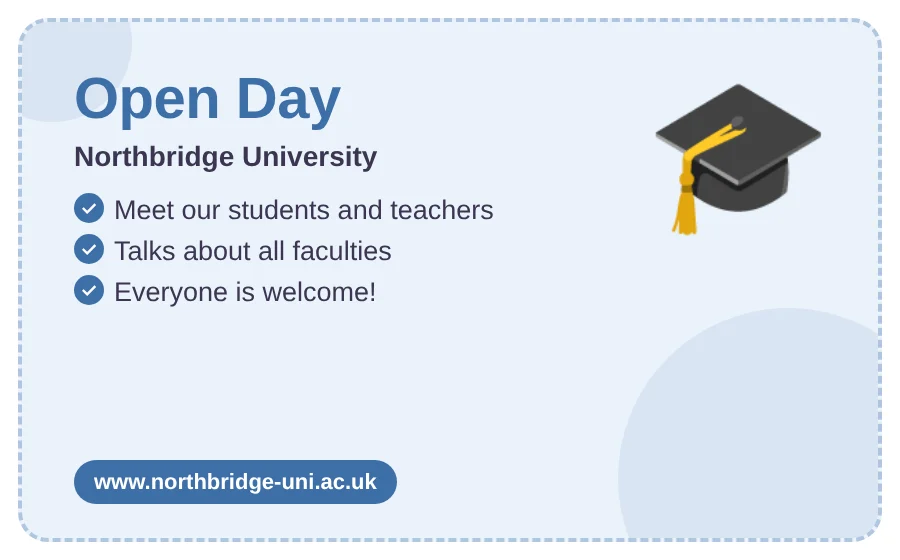
You are thinking of applying to university and now you'd like to get more information about the open day. In 1.5 minutes you are to ask four direct questions to find out about the following:
- date and time
- location of the campus
- if entrance is free
- tours of the labs
👀 Показать вопрос
👀 Показать вопрос
👀 Показать вопрос
👀 Показать вопрос

Упражнение 2. С чего начать вопрос? 🎯
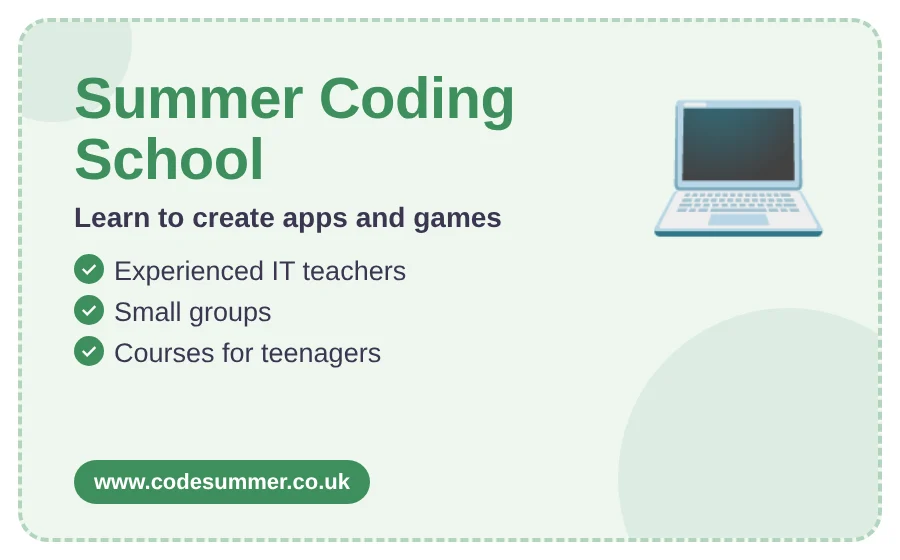
Summer Coding School · четыре вопроса по объявлению
Дополнительная практика · размер группы
Другая ситуация · ярмарка профессий
Другая ситуация · работа в кафе

Упражнение 3. Какие вопросы засчитают? 🧭

You are going to visit a career fair and now you'd like to get more information. In 1.5 minutes you are to ask four direct questions to find out about the following:
- where it takes place
- companies taking part
- if registration in advance is needed
- free consultations with career advisers
Упражнение 4. Соберите вопрос из слов 📚
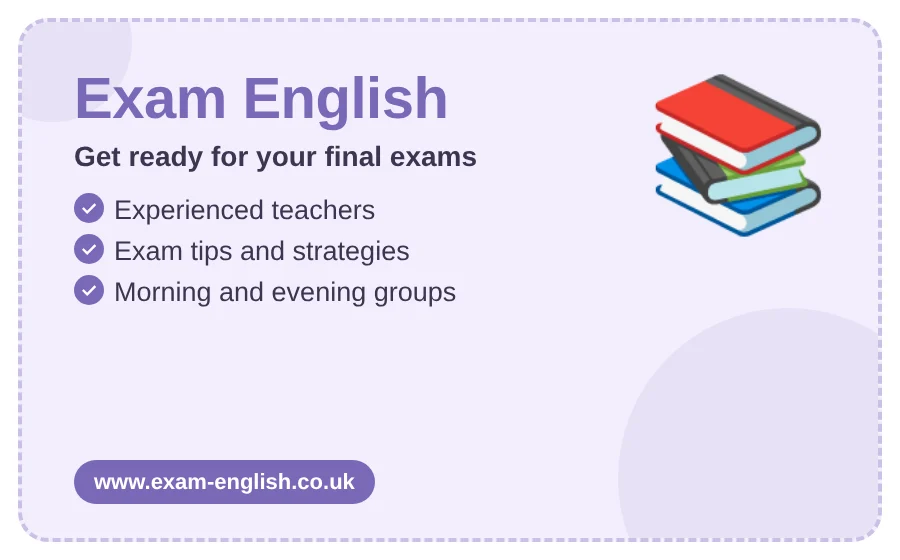
You are thinking of taking English courses to prepare for your exams and now you'd like to get more information. In 1.5 minutes you are to ask four direct questions to find out about the following:
- size of groups
- online lessons
- price of a lesson
- mock exams

Упражнение 5. Частые ошибки: прочитайте и запомните ⚠️

Упражнение 6. Найдите ошибки 🔍
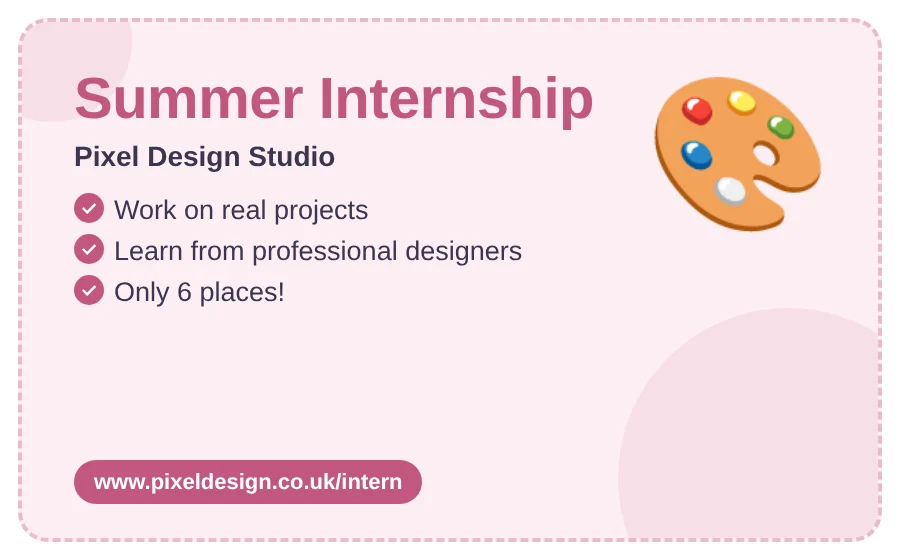
You are interested in doing an internship at a design studio and now you'd like to get more information. In 1.5 minutes you are to ask four direct questions to find out about the following:
- length of the internship
- requirements for applicants
- if the internship is paid
- chance of a job offer
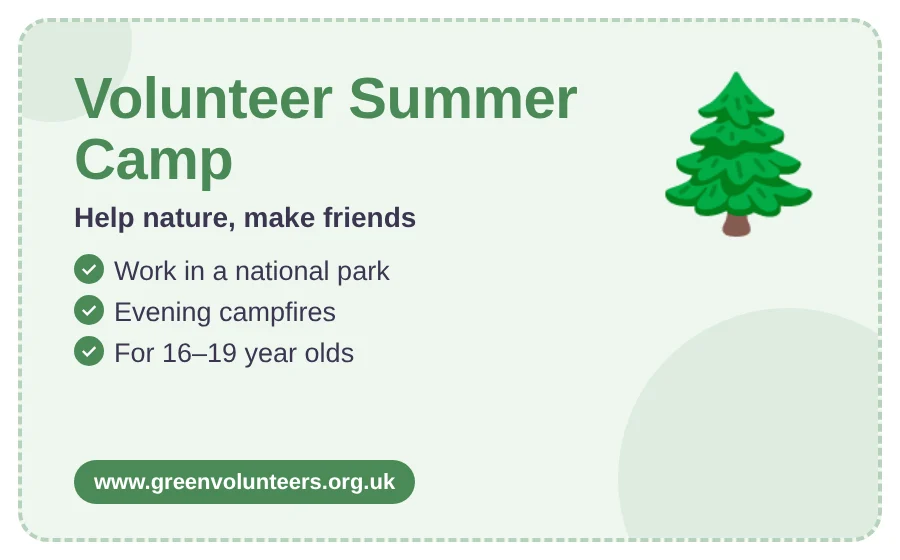
You are thinking of going to a volunteer summer camp and now you'd like to get more information. In 1.5 minutes you are to ask four direct questions to find out about the following:
- location
- accommodation
- activities for volunteers
- if a certificate is given at the end

Упражнение 7. Косвенный вопрос → прямой 🔄
Сказать вслух прямой вопрос, потом проверить
Сказать вслух прямой вопрос, потом проверить
Сказать вслух прямой вопрос, потом проверить
Сказать вслух прямой вопрос, потом проверить
Сказать вслух прямой вопрос, потом проверить
Сказать вслух прямой вопрос, потом проверить
Упражнение 8. Как на экзамене ⏱️
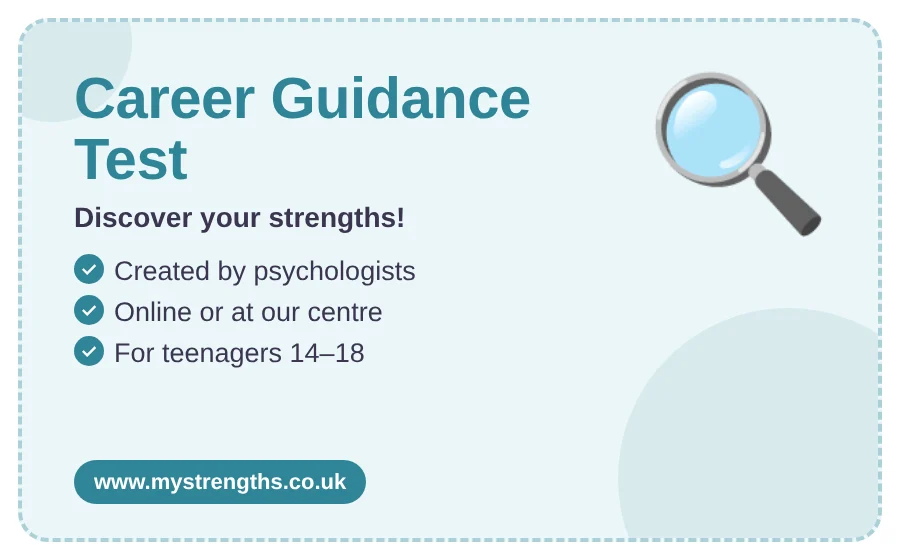
You are going to take a career guidance test and now you'd like to get more information. In 1.5 minutes you are to ask four direct questions to find out about the following:
- how long it takes
- price
- if the results are sent by email
- consultation after the test
Посмотреть образцы вопросов и сравнить

You are interested in an online course in web design and now you'd like to get more information. In 1.5 minutes you are to ask four direct questions to find out about the following:
- age of students
- duration of the course
- price
- if a certificate is given at the end
Посмотреть образцы вопросов и сравнить
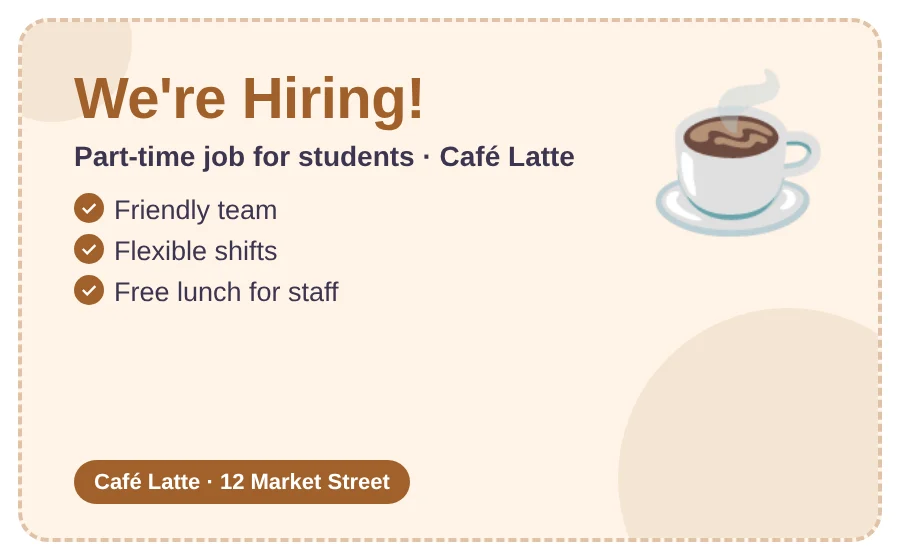
You are looking for a part-time job and now you'd like to get more information about the job at the café. In 1.5 minutes you are to ask four direct questions to find out about the following:
- minimum age to start working
- qualifications required
- working hours
- pay per hour
Посмотреть образцы вопросов и сравнить
Памятка по заданию 2 💡
• Балл дают, если вопрос по содержанию отвечает пункту и имеет правильную грамматическую форму вопроса; произношение и мелкие неточности в словах не мешают, если вас понимают.
• В первом вопросе назовите место из объявления: Where is the university campus located? или Where is your campus located? — оба варианта засчитают. А
• Обращайтесь к сотруднику на you: Do you provide laptops? — не
• Вспомогательный глагол — перед подлежащим: How much does it cost? Where can I park?
• Вопрос должен покрыть весь пункт: пункт minimum age to start working → What is the minimum age to start working at the café? Без «to start working» — 0.
• Один пункт — один вопрос, по порядку плана. Пункт начинается с when / what / how → и вопрос с того же слова.
• Пункт с if → вопрос да/нет: if laptops are provided → Do you provide laptops? / Are laptops provided?
• Не засчитают:
• Косвенный вопрос (Could you tell me where the career fair takes place?) засчитают только с прямым порядком слов после where / what / if. Надёжнее и быстрее — прямой вопрос.
• Если сказали вопрос два раза по-разному, оценивают последний вариант. Фразы вроде Hello! I'm calling about… баллы не снижают, но отнимают время.
Готовые начала вопросов
Where is your … located? · What is the address of …? · When is …? · What time does … start? · How much does … cost? · What is the price of …? · How many … are there …? · How long does … last? · Is there a …? · Are there any …? · Do you provide / offer / have …? · Are … included in the price? · How much is a …? · When does … start? · Where does … start? · Do I need to bring …? · Is it possible to …? · Can I bring …?
Интервью
На экзамене у вас берут интервью: пять вопросов, на каждый — 40 секунд, ответ — полный, два предложения. Здесь 10 вопросов на тему «Школа и выбор профессии» в формате ЕГЭ — в виде карточек с тремя режимами.

Упражнение 1. Вопрос — образец — ответ как на экзамене 🃏
Связки: because · so · but · also · that's why · However, · Besides, · What's more, · For example, · Otherwise,
В начале предложения после However, Besides, What's more, For example, Otherwise — запятая, как после Well, Honestly, Personally.

Упражнение 2. Как на экзамене ⏱️
Упражнение 3. Найдите ошибки 🔍
Памятка по интервью 💡
• Полный ответ — это два предложения: ответ + причина или пример. Одно короткое предложение или «Yes, I do» балл не принесёт.
• Не повторяйте вопрос слово в слово: What professions are in demand? → As far as I know, engineers… are in demand
• Если нужно подумать, не молчите — начните с Let me think… или That’s a difficult question.
• О своих предпочтениях — с Well, You know, Personally,; если ответ отрицательный — Honestly,. I believe, It seems to me that, I'm sure that — для мнения о чём-то общем: I believe the main problem is… (а In my opinion в интервью не берём)
• Связки: причина — because, следствие — so, that’s why, добавить — also, besides, moreover, what’s more, противопоставить — but, however, пример — for example, such as.
• Совет — I would advise them to…, They should…, It’s a good idea to…
• Вопрос с would (Would you like…? Would you prefer…?) — в ответе тоже would / ’d.
ОТВЕТЬТЕ НА ВОПРОСЫ ИНТЕРВЬЮ
Дайте на каждый вопрос два или три предложения. Возьмите из подсказки только те фразы, которые подходят к вашему ответу.
How do you prepare for exams? — cope with exam pressure · do well in an exam
How can students find a job that suits them? — identify their strengths · ask a careers adviser for advice
What can students learn from a part-time job? — deal with difficult clients · work in a team · gain work experience
What makes a job rewarding? — be in charge of a team · help other people · develop useful skills
How do exams help students demonstrate their knowledge? — use clear examples · do well in an exam
How can clubs help teenagers improve their career prospects? — take up a hobby · set up a club
What matters most when choosing a job? — have a rewarding job · have a chance to get a promotion
Why might someone turn down an offer? — the tasks do not suit their interests · change their mind
Should teenagers get experience before choosing a career? — find out what a job involves · see how a skilled worker learns on the job
Голосовое сообщение другу · устное задание 4
ПОДГОТОВЬТЕ МОНОЛОГ И ПРОГОВОРИТЕ ЕГО ВСЛУХ.
Task 4. Imagine that you and your friend are doing a school project “Ways to explore future careers”. You have found some photos to illustrate it but for technical reasons you cannot send them now. Leave a voice message to your friend explaining your choice of the photos and sharing some ideas about the project.


In 2.5 minutes be ready to:
- explain the choice of the illustrations for the project by briefly describing them and noting the differences;
- mention the advantages (1–2) of each of the two ways to explore future careers;
- mention the disadvantages (1–2) of each of the two ways to explore future careers;
- express your opinion on the subject of the project – say which way of exploring future careers presented in the pictures you would prefer and why.
You will speak for not more than 3 minutes (12–15 sentences). You have to talk continuously.
Подсказки для обсуждения фотографий
- Описание. Назовите людей, их действия и видимые детали. В первой сцене обратите внимание на буклеты и стойки, во второй — на ноутбук и тетрадь.
- Различие. Сравните face-to-face advice и online advice. Объясните, почему оба способа подходят к теме проекта.
- Аргументы. Выберите по одному плюсу и минусу каждого способа из упражнения ниже. Добавьте короткое пояснение к каждому.
- Мнение. Для in-person career fair можно развить идею practise talking to adults, для live career webinar — feel more comfortable listening at home. Подберите свою причину, отличную от аргументов в упражнении.
РАСПРЕДЕЛИТЕ ПЛЮСЫ И МИНУСЫ
Нажмите карточку, затем выберите нужное поле.
In-person career fair
Live career webinar
ВЫБЕРИТЕ КАРТОЧКУ И ПРОГОВОРИТЕ АРГУМЕНТ
Назовите плюс или минус своими словами. Добавьте, почему это важно для подростков, которые выбирают профессию.
One advantage of an in-person career fair is that …
One disadvantage of a live career webinar is that …
В школе Wonderful English подготовка к ЕГЭ по английскому идёт онлайн, два раза в неделю по 60 минут. Грамматику и лексику подтягивают адресно, письмо и устную часть разбирают по критериям экзамена, каждую работу преподаватель проверяет лично. Набор ограничен. Первая встреча — пробная: преподаватель посмотрит уровень и скажет, сколько времени нужно до экзамена.Подготовка к ЕГЭ →